
Lifting
XERF and Thermage: choosing with your skin in mind
A closer look at radiofrequency lifting: what each device is designed to do, the trade-offs discussed in consultation, and why expectations matter.


The key point
Choosing XERF or Thermage starts with your skin and expectations. Dr. Sijin Park explains the factors she discusses during consultation, including suitability and comfort, rather than treating one device as the right choice for everyone.
- What RF can and cannot address
- The differences discussed when choosing a device
- Comfort, expectations and individual suitability
Both are radiofrequency. Both tighten. The honest answer is that they are built for different people, and the wrong one is a waste of your money.
What RF lifting actually does
RF lifting is not line-contouring. Its main job is to bring back elasticity, refine pores and improve texture. If your goal is to redraw a jawline, RF is the wrong tool and you should be looking at ultrasound (HIFU) instead.
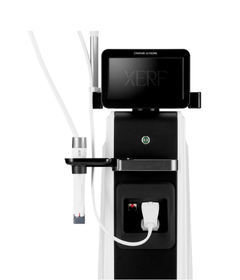
Thermage — the benchmark
Thermage, from Solta Medical, has the longest history of any RF device. That matters more than it sounds: decades of clinical data, published studies, documented side effects and established protocols for handling them. When something is unusual, there is a body of evidence to consult.
Thermage suits you if:
- you want the option with the most research behind it
- you want a strong, long-lasting result
- you are over 50 and need meaningful lifting
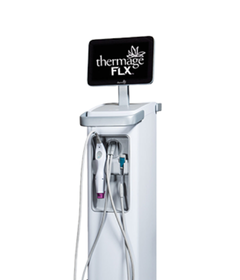
XERF — the newer option
XERF is made by Cynosure Lutronic. Three differences matter:
- Frequency. Traditional RF devices use 6.78 MHz, which delivers heat to the shallower layers. XERF adds 2 MHz — it reaches deeper, so it can do more contouring work.
- Comfort. It hurts less.
- Tip design. A spider-pattern tip lowers the risk of burns.
XERF suits you if:
- you need RF but the pain of Thermage worries you
- you want contouring around the upper smile lines or a softening jawline
- you are in your 20s–30s and still have elasticity to work with
- this is your first lifting treatment
Who should not have XERF
This is the part most clinics leave out.
- You are in your 20s and only care about jawline or cheek contouring. RF is not what you want.
- You cannot feel your own loss of elasticity. This sounds strange, but it is the single most common reason people are disappointed. Texture and firmness improve gradually, and other people notice before you do. If you cannot perceive the problem, you will not perceive the fix — and lifting is expensive.
- You have facial volume and need stronger lifting. You need HIFU, not RF.
- Your skin is thick and firm. The return is small.
One more honest note
Written out as a list, RF sounds like it does everything — elasticity, redness, pores, contouring, fine lines, glow. It does affect all of those. But not equally. Tightening from RF is meaningfully weaker than from a strong HIFU device like Ultherapy.
That gap between the list and the reality is exactly what a consultation is for. If your expectations are not set before the treatment, no result will satisfy you afterwards.
If you are not sure which of the two fits you, that is a normal question, and it is what the consultation is for. It is free, and it is with the doctor.
This article is provided for general information only. Results, recovery and suitability vary from person to person, and side effects including inflammation, infection and bruising are possible with any procedure. Nothing here is a diagnosis or a recommendation for your skin — please decide after a consultation with a doctor.
This column shares Dr. Park’s clinical perspective. It is not an individual diagnosis or a guarantee of treatment results; suitability and risks are discussed in consultation.
What does this mean for your skin?
Tell us about your concerns and treatment history. Your doctor can discuss the options with you.
Ask on WhatsApp